
Car suspension wear is a gradual deterioration of the technical condition of shock absorbers, silent blocks, ball joints, and other elements of the chassis, which directly affects handling and road safety.
Car suspension wear is a gradual deterioration of the technical condition of shock absorbers, silent blocks, ball joints, and other elements of the chassis, which directly affects handling and road safety. If you strive to use only serviceable and reliable vehicles without extra worries about service, pay attention to operational leasing. This solution allows businesses and individuals to forget about repair costs, as all technical issues are handled by the lessor.
Modern car suspension is a complex system of joints, springs, and dampers that acts as a connecting link between the wheels and the body. Its main task is to dampen vibrations and shocks that occur when driving over bumps.
When the car chassis works correctly, the driver feels full control over the car. However, over time, even minor car suspension wear can lead to an increased braking distance and loss of directional stability.
First of all, it is bad roads and cars that are forced to overcome potholes and high curbs daily. Dust, moisture, and chemical reagents also gradually destroy rubber seals and silent blocks, causing play in the joints.
How to recognize the problem:
A characteristic knocking in the suspension appeared when driving over bumps;
The car has started reacting painfully to every bump;
Noticeable body swaying;
Uneven tire tread wear.
Ignoring these symptoms leads to the load being redistributed to other nodes. For example, faulty shock absorbers force the springs to work at their limits, which significantly increases the cost of future chassis maintenance.
Your driving manner is the main factor determining the suspension service life. Aggressive driving with sudden starts and braking creates colossal inertial loads on all chassis elements.
Driving style's impact on a car becomes most obvious when driving over speed bumps. Many drivers brake immediately before an obstacle, causing the front of the car to "dive" down, compressing the springs to the maximum. At this moment, the impact hits the already loaded nodes, which provokes instant car suspension wear. Also, damage from driving through potholes is caused to ball joints and hub bearings.
Many are interested in the question of how to reduce suspension wear without giving up daily trips. The answer lies in preventive measures and changing habits.
Learn to "read" the road: Bypass deep potholes and slow down in advance before bumps.
Release the brakes before an obstacle: Brake beforehand, and roll over the pothole or obstacle itself.
Do not overload the car: Extra weight in the trunk creates constant pressure on the shock absorbers, the wear of which accelerates several times in such a mode.
Regular chassis maintenance: Even if nothing bothers you, visit the service to inspect dust boots and joints.
For those buying a used vehicle, selling cars after leasing is a great option, as such cars always have a transparent service history and timely replaced parts.
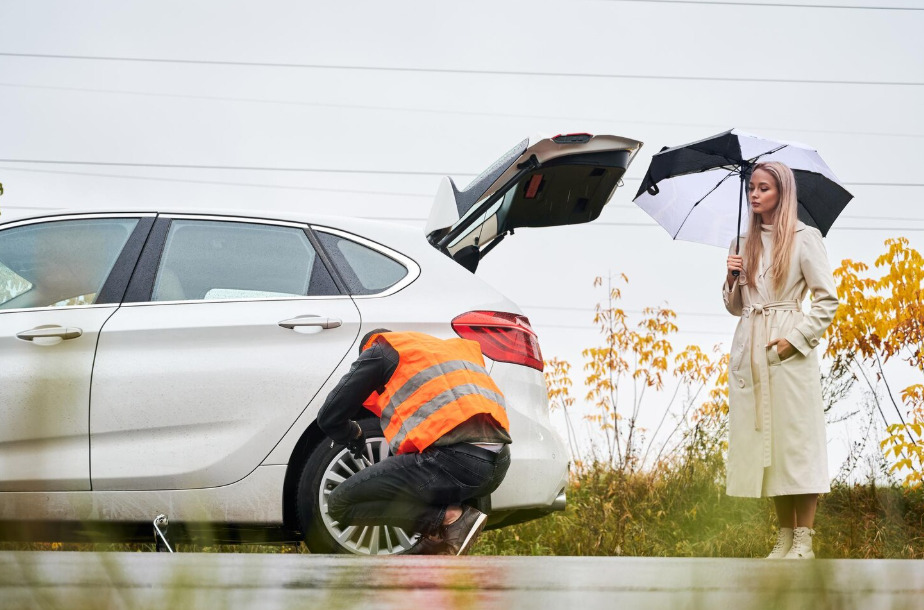
If you feel that the car has started to hold the road worse or notice play in the steering wheel — suspension repair cannot be postponed. A critical symptom is an oil leak from the strut body, indicating a complete loss of the damper's functionality. Timely suspension diagnostics on a vibration stand will help accurately determine the remaining resource of each node. Remember that a faulty chassis is not just discomfort, but also a risk of active safety systems failing at a critical moment.
For individuals who want to be confident in their transport, available car leasing or the private car leasing service provides access to new models where the chassis is in perfect condition.
The main factors are road conditions, speed over bumps, and the total weight of the cargo being transported.
You should contact a service if you hear extraneous sounds, feel vibration on the steering wheel, or notice the car has started to "pull" to the side on a flat road.
Yes, it is the main enemy of the chassis.
Besides fluid leaks, signs include "nose-diving" during braking, instability in strong side winds, and excessive body lean in turns.
Choose routes with better surfaces, avoid sudden braking on bumps, and monitor tire pressure.


