
Even a minor collision in a parking lot or a "fender bender" in traffic causes stress for the driver and a lot of questions on how to restore a car after an accident with minimal budget losses.
Even a minor collision in a parking lot or a "fender bender" in traffic causes stress for the driver and a lot of questions on how to restore a car after an accident with minimal budget losses. Minor damage often seems purely cosmetic, but it can hide defects that affect safety and future resale value. In this article, we will discuss how to approach the restoration process wisely, where you can save money, and where skimping might backfire.
The first thing you need is a cold-blooded assessment of the vehicle's damage. Even if there is only a scratch on the bumper, modern cars have many parking sensors, radars, and fragile clips under the plastic. That is why car restoration after an accident should always begin with a visit to professionals.
To understand the real picture, we advise paying attention to:
Panel gaps: If the hood or doors start closing differently, the problem is deeper than it seems.
Fluids under the car: Even a light impact to the front can damage the radiator or hoses.
Computer diagnostics: Dashboard errors will indicate damaged electronics.
If you plan to buy a car on the secondary market, pay attention to our car sales after leasing, where every vehicle undergoes a thorough inspection, and you know the exact history of every paint touch-up.
Many car owners mistakenly believe that any car repair after an accident necessarily includes bodywork and full repainting of the part. In fact, modern technologies allow for significant savings.
For example, dents without paint damage can be successfully fixed using the PDR (Paintless Dent Repair) method. This is much cheaper than traditional car body repair because you don’t pay for painting materials and you preserve the factory paint layer. Also, minor scratches on the lacquer often disappear after professional polishing, which returns the car to its original shine in just a few hours.
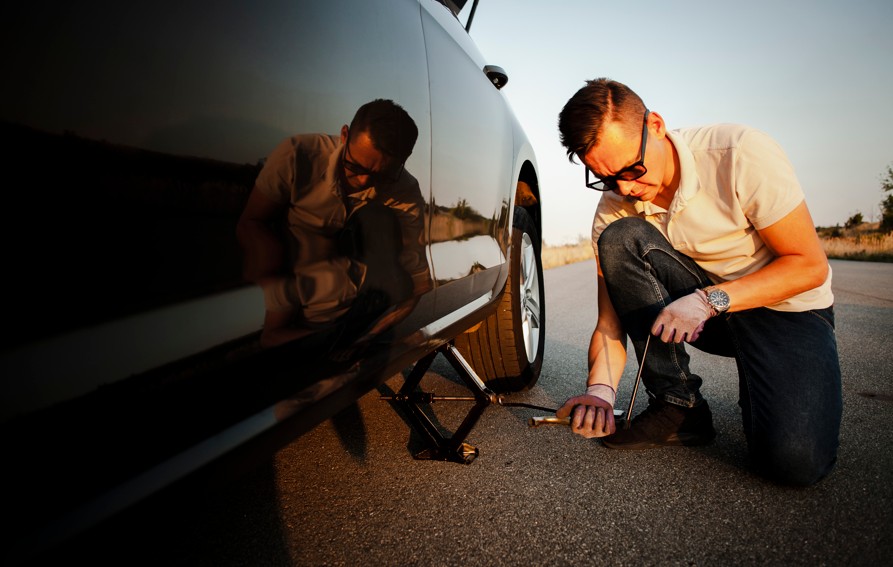
We always emphasize: car safety after repair is paramount. Therefore, some tasks cannot wait:
Optics and mirrors: Cracks in headlights lead to moisture ingress, which quickly disables expensive electronics.
Technical components: If the suspension or cooling system is damaged, it is dangerous to operate such a vehicle.
Exposed metal: Deep scratches down to the steel will start to rust after the very first rain.
You can postpone only purely aesthetic issues: a scuff on a plastic molding or a minor dent on the door sill that does not affect the structural integrity. For corporate clients using econom leasing, we take care of all the administration for such cases, ensuring a quick return of the vehicle to service.
The main secret to a budget-friendly restoration is choosing the right repair shop and parts. An official car service center for restoration guarantees quality, but if the budget is limited, you can consider licensed aftermarket parts instead of original ones.
Additionally, the cost of repair after an accident will be lower if you do not delay the process. For example, a timely sealed paint chip will not turn into corrosion requiring welding. If you take a car lease, HT (Hull/CASCO) insurance usually covers most of these cases, saving you from having to find funds for the repair yourself.
Yes, even minor damage from a small car accident can lead to metal corrosion or accelerated wear of nearby parts over time. Early repairs help maintain both the technical condition and appearance of the vehicle.
Minor damages include scratches, dents, and damage to removable parts (bumpers, mirrors, headlights) that do not affect the car’s structural frame.
Absolutely. Even if the exterior looks fine, bumper plastic may return to shape while the reinforcement underneath remains deformed. Therefore, technical inspection after any accident is essential.
Repair costs vary: from polishing and cosmetic fixes (a few hundred dollars) to replacing a headlight or bumper, depending on the car’s make and model.
If repair costs exceed 70% of the car’s market value, or the body geometry is damaged beyond factory specifications, repair becomes economically impractical.


