

Car preparation for summer is a complex of technical measures aimed at checking the cooling system, air conditioning, and chassis for stable machine operation at high temperatures.
Car preparation for summer is a complex of technical measures aimed at checking the cooling system, air conditioning, and chassis for stable machine operation at high temperatures. If you value confidence in every kilometer but lack time for self-service, pay attention to operational leasing. This solution allows businesses and individuals to forget about technical hassles, as professional preparing the car for heat and all associated costs are already included in the monthly payment.
Winter operation with its reagents, humidity, and temperature changes exhausts the resource of many components. In spring, it is important to wash off salt residues from the body and undercarriage, but the main thing is to conduct a deep technical car inspection. Heat affects machinery differently than frost.
Comprehensive seasonal car maintenance allows for the detection of micro-cracks in hoses or critical radiator contamination. Without proper attention, even a minor malfunction in the antifreeze circulation system will lead to engine overheating, the repair of which will cost significantly more than prevention.
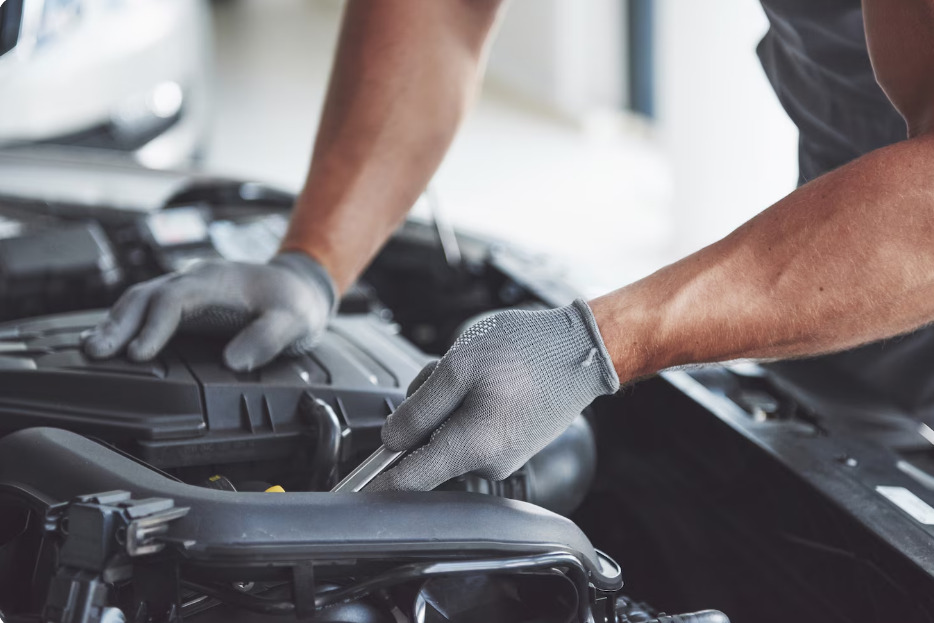
A basic checklist for every driver begins with a visual inspection and diagnostics of main systems. Before setting off on your first long distance in June, find out what to check in a car before summer first and foremost. Key inspection stages:
Cooling system: Check the level and condition of the antifreeze.
Air conditioner: Even if it works, checking the air conditioner for bacteria and freon levels is mandatory for a healthy cabin microclimate.
Technical fluids: Evaluate the condition of brake fluid and oil.
Battery: Heat accelerates chemical reactions, which can disable an old battery.
Braking system: Check pads and hoses.
Once the main car diagnostics is completed, it is worth taking care of operational details. For example, summer tires must match the season not only in tread pattern but also in rubber composition, which maintains stiffness on hot pavement. Here are some professional tips on how to prepare a car for summer:
Tire pressure: Check it only "when cold." Remember that air expands when heated, so over-inflated wheels in July are a risk for worsened grip.
Body protection: Use hard wax or a ceramic coating so the paint layer does not fade in the sun.
Interior care: Buy a reflective screen for the windshield. This will protect the dashboard plastic from deformation and the steering wheel from overheating.
Regular car maintenance in summer helps avoid problems such as "vapor locks" in the fuel system or incorrect sensor operation.
Often drivers believe that simply changing the tires is enough. This is a dangerous misconception. An incomplete car check before summer often leads to the radiator, clogged with down and dirt over spring, failing to cope with the airflow.
Another mistake is saving on freon. Air conditioner charging must be performed according to strict weight regulations, not "by eye," otherwise the compressor will quickly fail. Also, do not forget that car operation in heat requires clean windows from the inside: a thin film on the glass worsens visibility in bright sun.
If your own vehicle needs long repairs or you simply want to travel with maximum comfort, long term car rental will be a rational way out. You won't have to think about how to prepare a car for summer, as every unit in our fleet undergoes strict seasonal maintenance. Avis offers car leasing and rentals, where summer car maintenance and car systems check are our responsibility. You receive a car in ideal condition, with a full tank and a functional climate control.
The procedure is performed once a year, usually in April or May.
If the scheduled replacement time is approaching, it is better to do it before the heat.
Best of all — immediately after the snow melts. Early car diagnostics will allow for the detection of freon leaks and the elimination of unpleasant odors before the system starts working at full capacity.
It should correspond to the factory norms indicated on the door pillar or fuel filler flap.
Yes, high temperature provokes electrolyte evaporation and self-discharge.


